


 ລາວ


Text by: Vila Phounvongsa (from: Snaé History)
Inspiration by: Houmphanh Rattanavong
Photos by: Phoonsab Thevongsa
Translated by: Jason Rolan
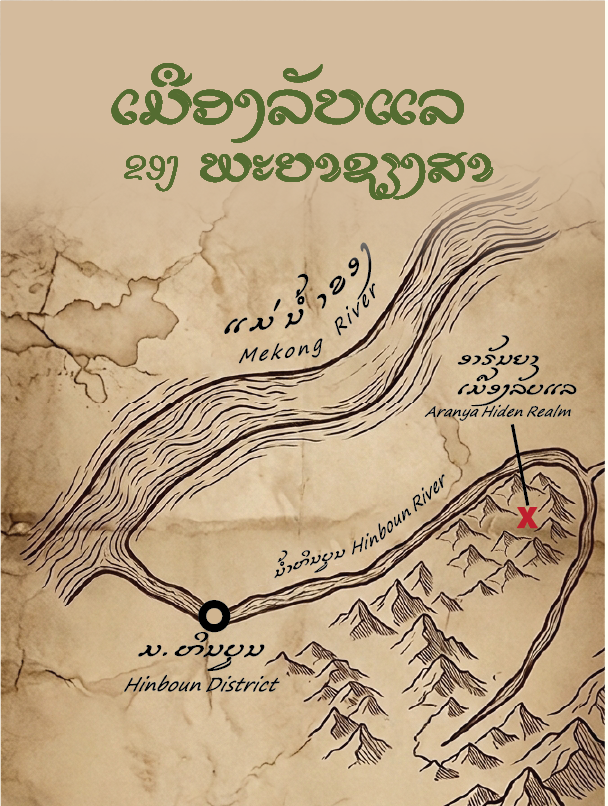
Deep in Khammouan’s rugged limestone mountains, where hidden rivers disappear beneath towering cliffs and jungle trails seem to lead nowhere, lies a secluded valley guarding a story almost too mysterious to believe.
Some know this place as Aranya Meuang Laplae (the hidden city in the forest). In local tradition, it is simply called Meuang Laplae,the Hidden Realm, a place marked by ancient ruins, sacred forests, mysterious spirits, and culminating in the story of a Lao warrior named Phanya Xieng Sa.
Phanya Xieng Sa and the Discovery of the Hidden Realm
According to Lao chronicles, Phanya Xieng Sa was an important military commander and nobleman whose life unfolded during one of the most turbulent periods in Lao history.
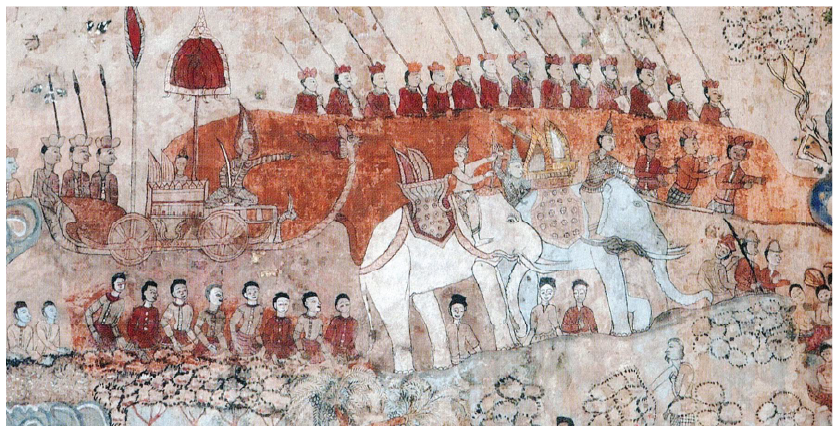
His name first appears prominently during the reign of King Siribounyasan of Vientiane. In 1736, he was ordered south to help resolve a conflict in Meuang Nakhon, present-day Nakhon Phanom. Records state that Phanya Xieng Sa led 10,000 Lao troops from Vientiane into battle and returned victorious.
Local tradition adds another fascinating detail to the story: it was during this southern campaign that Phanya Xieng Sa is said to have accidentally discovered the mysterious place later known as Aranya Meuang Laplae. Decades later, that discovery would become far more important.
In 1778, Siam sent large armies from several directions to surround Vientiane. The siege continued for around four months, and as hunger took its toll, the capital eventually fell. King Siribounyasan fled with a small group of close followers, including Phanya Xieng Sa, to Meuang Khamkeut, in present-day BolikhamxayProvince.
One year later, King Siribounyasan tdied. With the political situation transformed, Phanya Xieng Sa and a group of his soldiers and followers made their way back to the hidden valley he had discovered years earlier. It was an ideal refuge. Sheer cliffs surrounded the valley on all four sides, and there was only one way in.
Here, the group built homes, cultivated rice fields and gardens, and gradually established a small community protected by forest and stone. Over time, the settlement became known as Meuang Laplae, or Aranya Meuang Laplae. After this, Phanya Xieng Sa disappears from the historical record. Local belief holds that he remained in the valley until the end of his life, and a stupa believed to contain his remains can still be seen there today.
A City Hidden in the Jungle
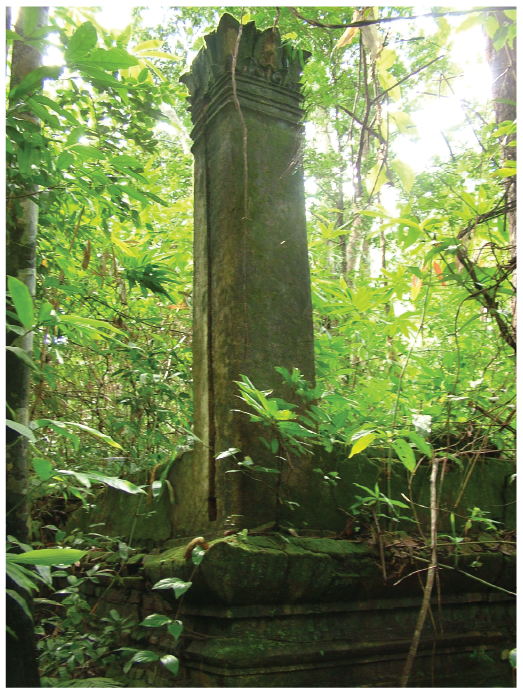
The valley is also known by another name: Kateub Ban Na (the stone house in the fields). Visitors should not expect a grand lost city waiting intact beyond the cave. Instead, history reveals itself slowly through the forest.
Old brickwork, temple foundations, and stone pillars lie scattered beneath vines and tangled roots. Earlier explorers recorded the remains of ruined temples, where roots weave through ancient brick foundations and carved stone pillars slowly sink back into the forest floor. The surrounding landscape only deepens the atmosphere. Giant trees rise around sacred areas, clear streams wind through the valley, and local stories speak of old religious sites hidden deep in the forest.
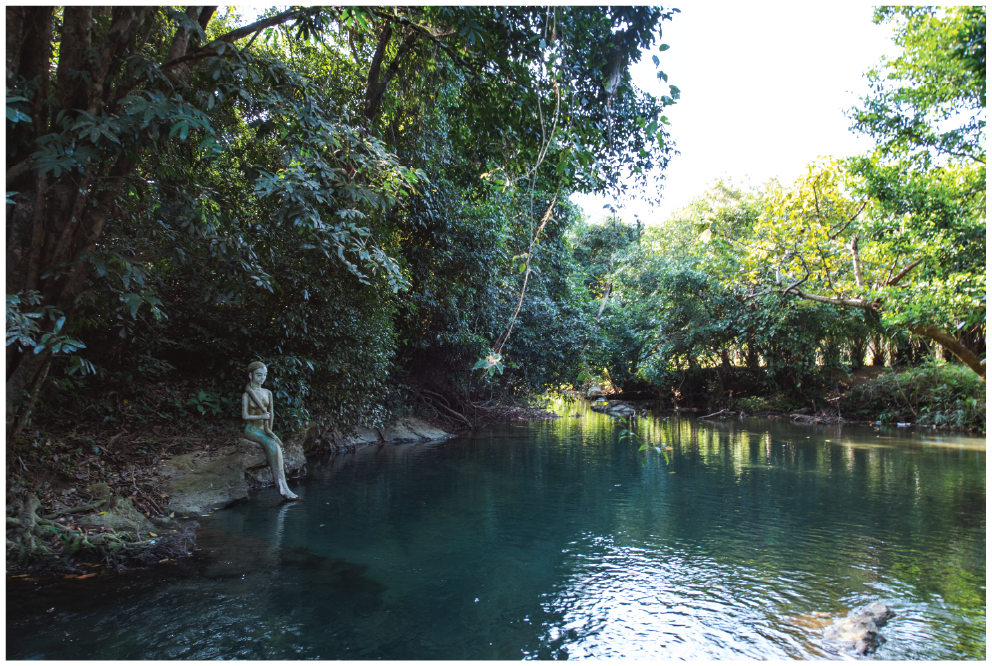
One particularly unusual feature mentioned in visitor accounts is a sculpture of Nang Phom Hom, the “Maiden with Scented Hair,” depicted bathing beside a stream.
“Phi Bang Bod”: The People Who Disappear
Old Lao stories describe Meuang Laplae as a place that ordinary people cannot easily find. Some legends speak of mysterious beings known as Phi Bang Bod, or people or spirits who may suddenly appear without warning, only to vanish again without leaving a trace. They may be no more than ancient folktales, but stories like these have helped preserve the sense of mystery that still surrounds Meuang Laplae today.
Into the Hidden Realm
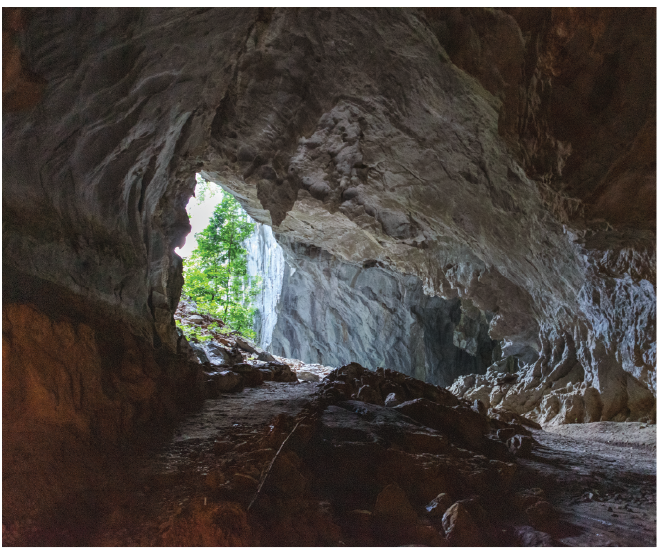
The journey into Meuang Laplae is as memorable as the place itself. A ride by long-tail boat, dramatic limestone scenery, encounters with local villagers, a passage through the cave, and a trek beneath the forest canopy all create the feeling that you are gradually leaving the familiar world behind.
This route has attracted adventurous travelers for years, especially for the boat journey and the passage through a cave stretching approximately 1.5 kilometers through the mountain. In a province famous for caves and extraordinary karst landscapes, Meuang Laplae offers something more: a place where history, local memory, and legend remain hidden together behind the mountains.
Getting there:
Drive south along Route 13 to Vieng Kham, at the junction with Route 8, then continue south for another 13 kilometers to Ban Sam Bon. Turn left and travel another 11 kilometers to Ban Khoun Phet. From there, ask local villagers to arrange a boat and guide for the journey to the cave and Meuang Laplae.
Contact and Follow:
Snaedesignlao@gmail.com
FB: SNAÉ HISTORY
IG: Snae_Shop