


 ລາວ


Words by: Jeetendra Marcelline
Photos by: Souksamlan Laladeth
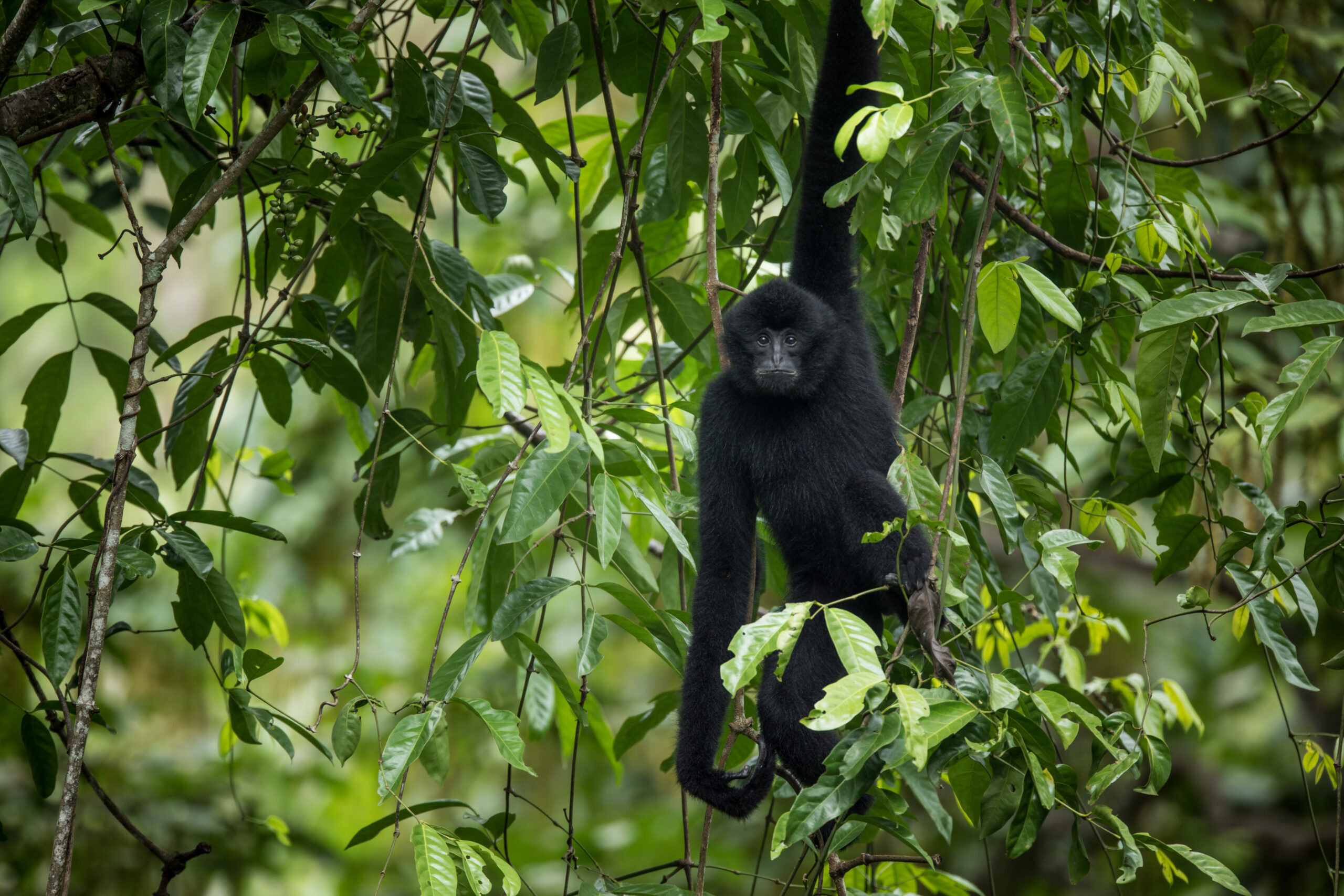
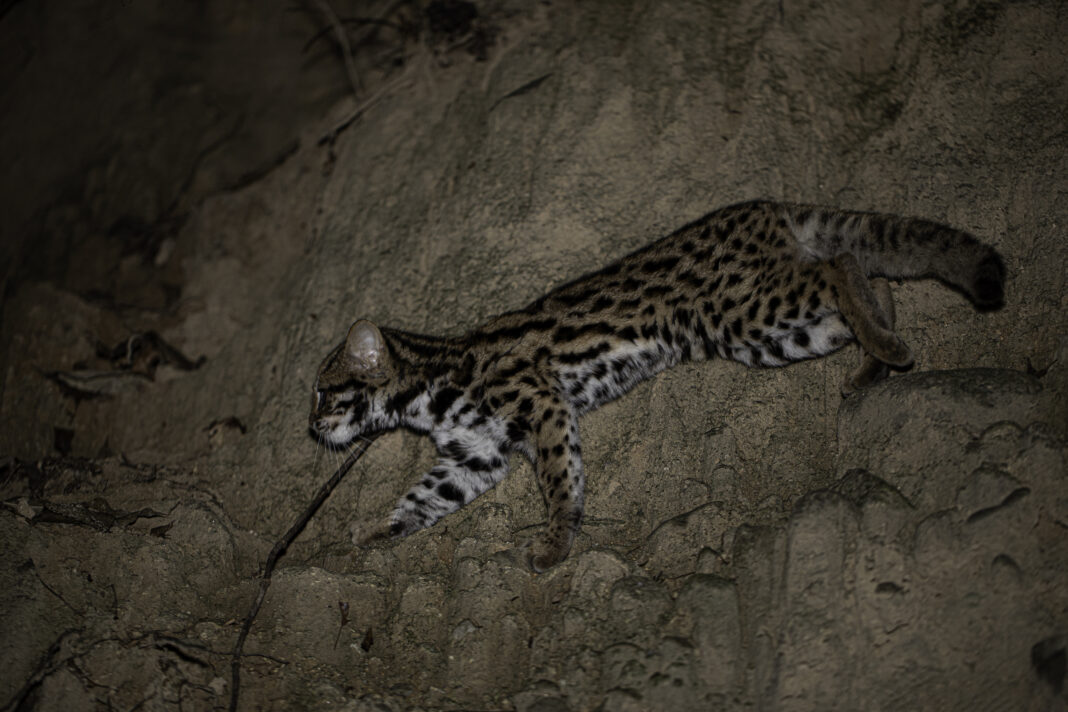
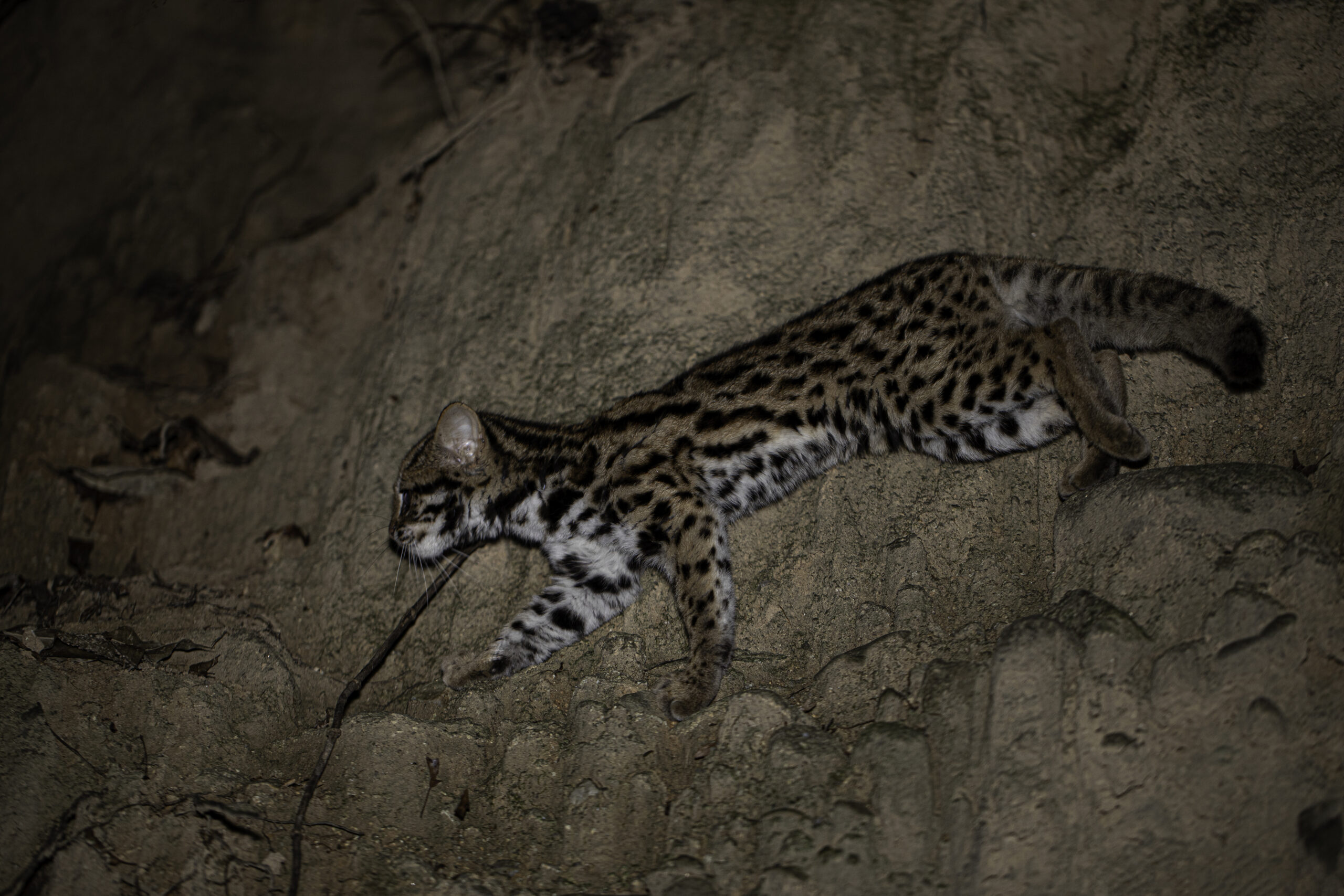
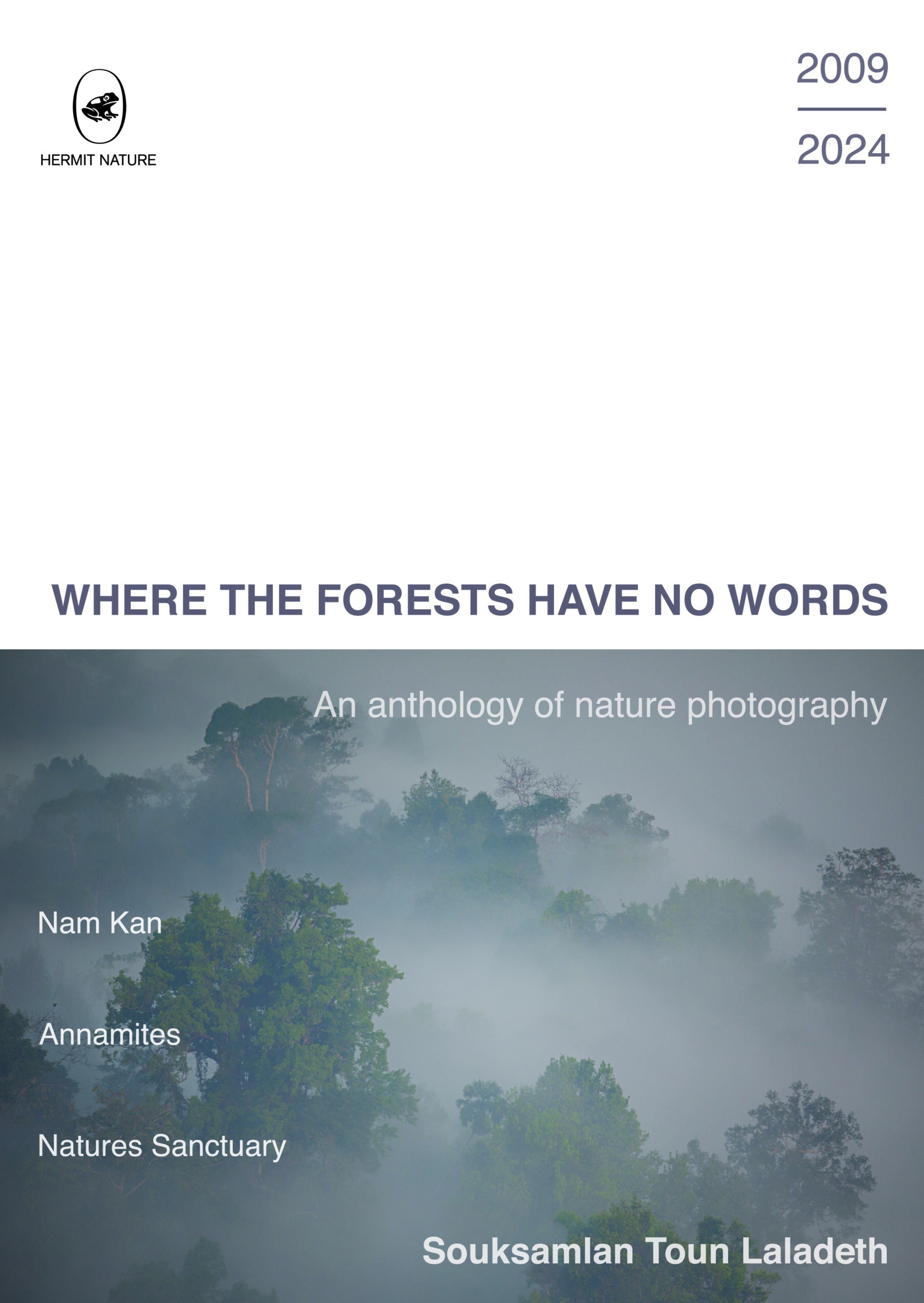
Deep in the remotest reaches of northern Laos, where roads give way to trails and trails give way to nowhere, a young man from a Khmu village near the Nam Kan Protected Area spent more than a decade learning a language that has no words. In early October, in Vientiane, that language finally found its form — Souksamlan “Toun” Laladeth launched his debut nature photography publication, Where The Forests Have No Words, an anthology of rare and beautiful experiences drawn from Laos’ unique natural heritage.
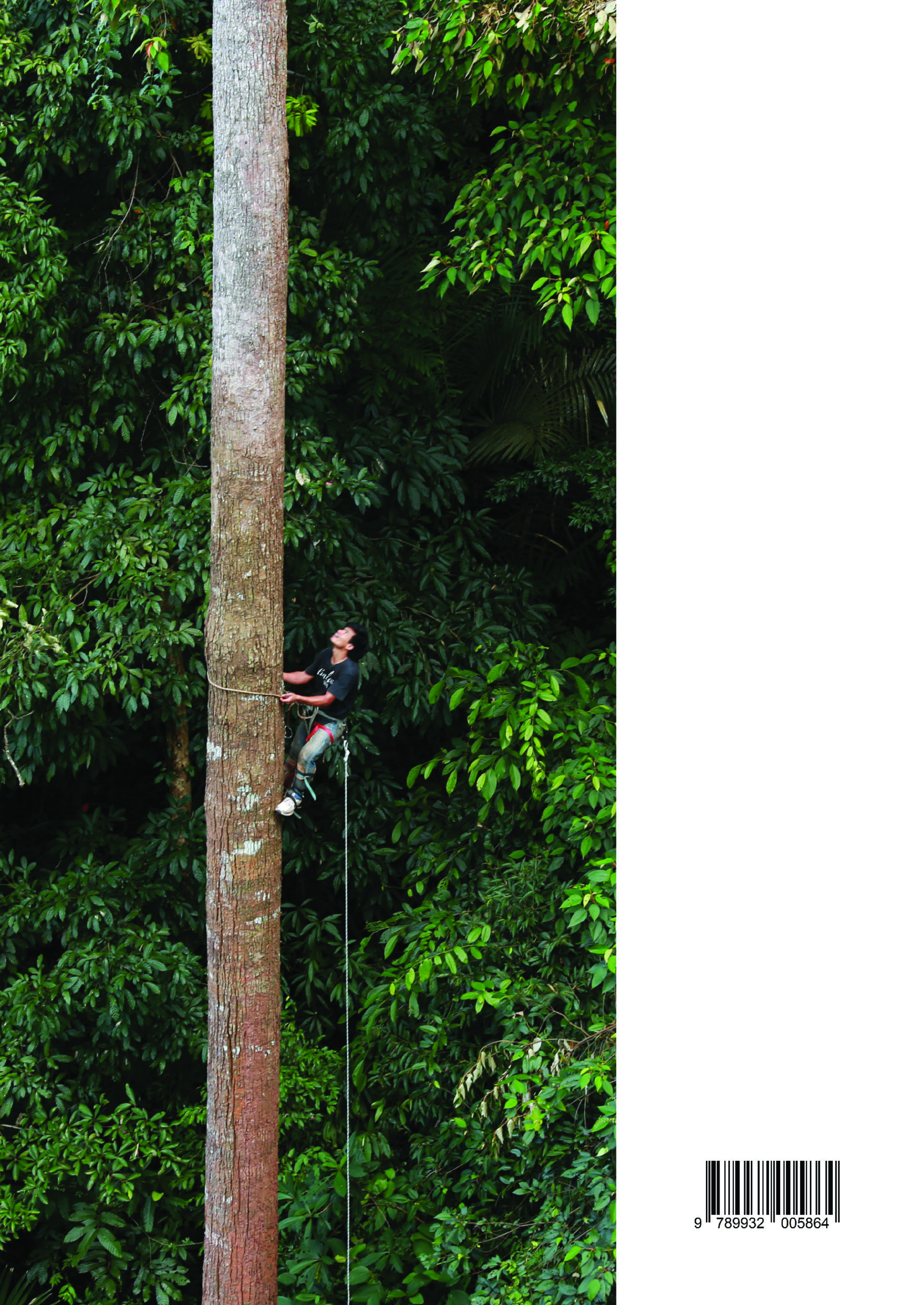
Toun’s life is a tale of accidents, awareness, exploration, and discovery. A son of the soil, he did not attend formal training, and all he knows today of composition, light, and the patient choreography of tracking wildlife through dense cover, he taught himself by doing, and by borrowing equipment and techniques from managers and colleagues along the way. His first opportunity came as a guide at the Gibbon Experience, granting him access to the Nam Kan National Protected Area and, with it, the forest canopy that would become his lifelong classroom.
“I see with my ears,” Toun says, describing the tracking instincts that have carried him over a decade of expeditions into the far-flung regions of the land. A simple phrase yet speaks volumes — the relentless pursuit and patience of a person willing to wait in the undergrowth for a fleeting moment that may never be, and the conviction, hard-won, that nature reveals itself only to those who are still enough to notice.
During the pandemic, Toun joined Lanjan Holdings, which sponsored him through a sequence of qualifications, notably a conservation certification from Leeds University, the National Geographic photography masterclass, and participation in the IUCN World Conservation Congress, held in France. This complements his previous honors: the Narrator Award at the 2020 Art of Light Lao Contemporary Photo Contest, and the Special Award for his film “Roots” at American Film Week in Luang Prabang in 2014.
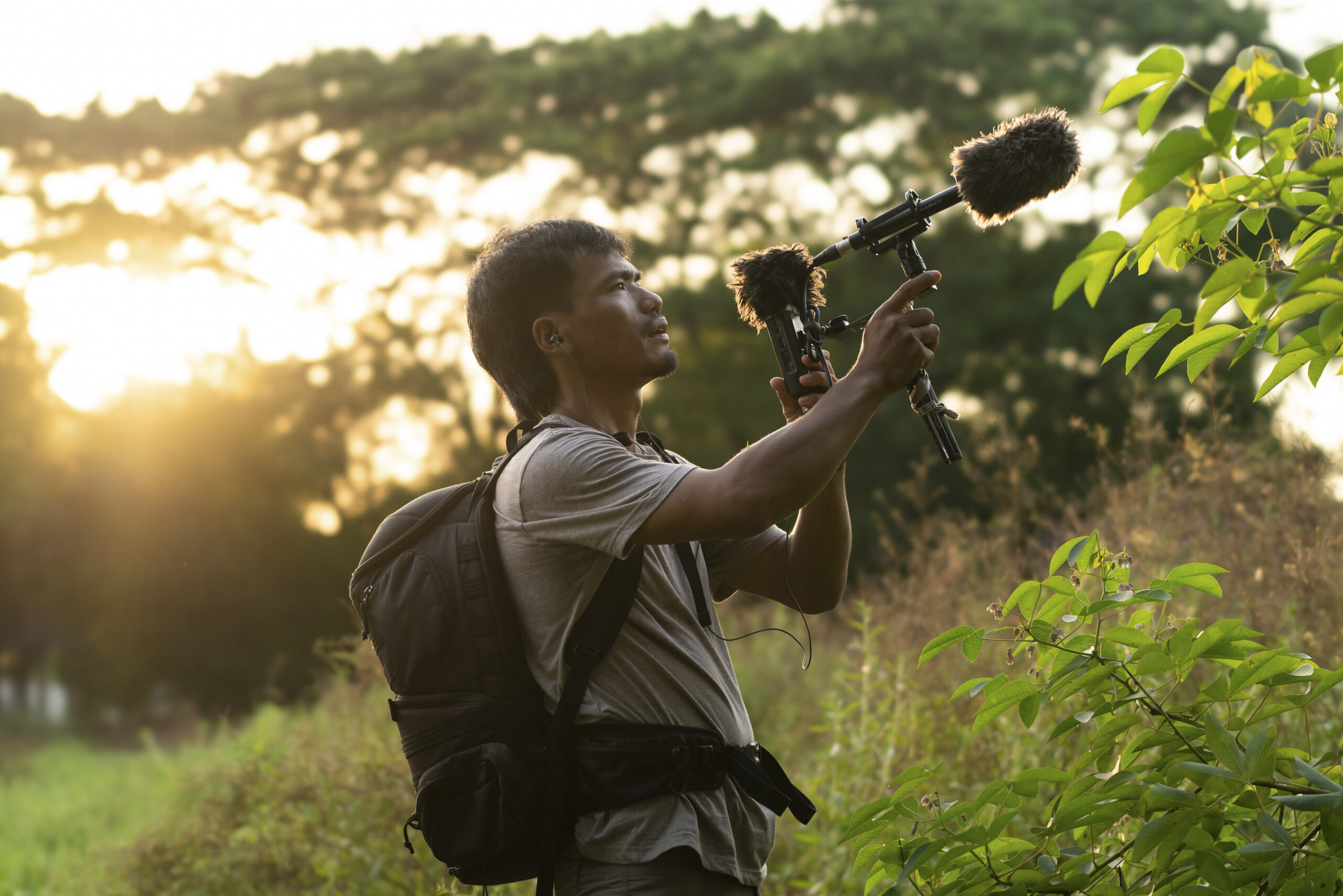
Today, Toun serves as a nature photographer and media professional for the Saola Foundation and the World Wildlife Fund, while also managing Natures Sanctuary at Lanjan. Across all three roles, one conviction remains constant. “Knowledgeable and clear communication are critical for conservation education and encouraging good behavior,” Toun believes, and to him, the visual language of photography and videography is among the most persuasive tools available for showcasing science, biodiversity, and the many challenges conservation faces.
It is an increasingly needed vernacular. Rising consumerism, tourism, and population growth, together with easier access to goods and services than any previous Lao generation has known, are placing enormous pressure on natural resources across the nation. “In a rapidly changing Laos, a country embracing the information and consumer age, visuals and sounds present stark realities and provoke debate at many levels,” Toun observes. “I believe that humans are an integral part of nature, and our survival demands coexistence. It is important to find a balance between needs and wants, and a balance between the demands of modern life and protecting the environment.”
Where the Forests Have No Words is designed as much as a technical reference for the nature lover, adventurer, academic, and researcher as it is a showcase for the casual reader, detailing both the effort and the technique behind each point of capture. Its purpose, in Toun’s own telling, is larger still: to inspire the entire Lao family, and the visitors to Laos, to join hands in protecting the country’s living natural heritage, and in doing so, to build a strong and lasting environmental contract.
Early reviews of the book are positive. One declaring that “with his first publication, Toun has both opened a window and provided a mirror to the soul of this magical land.”
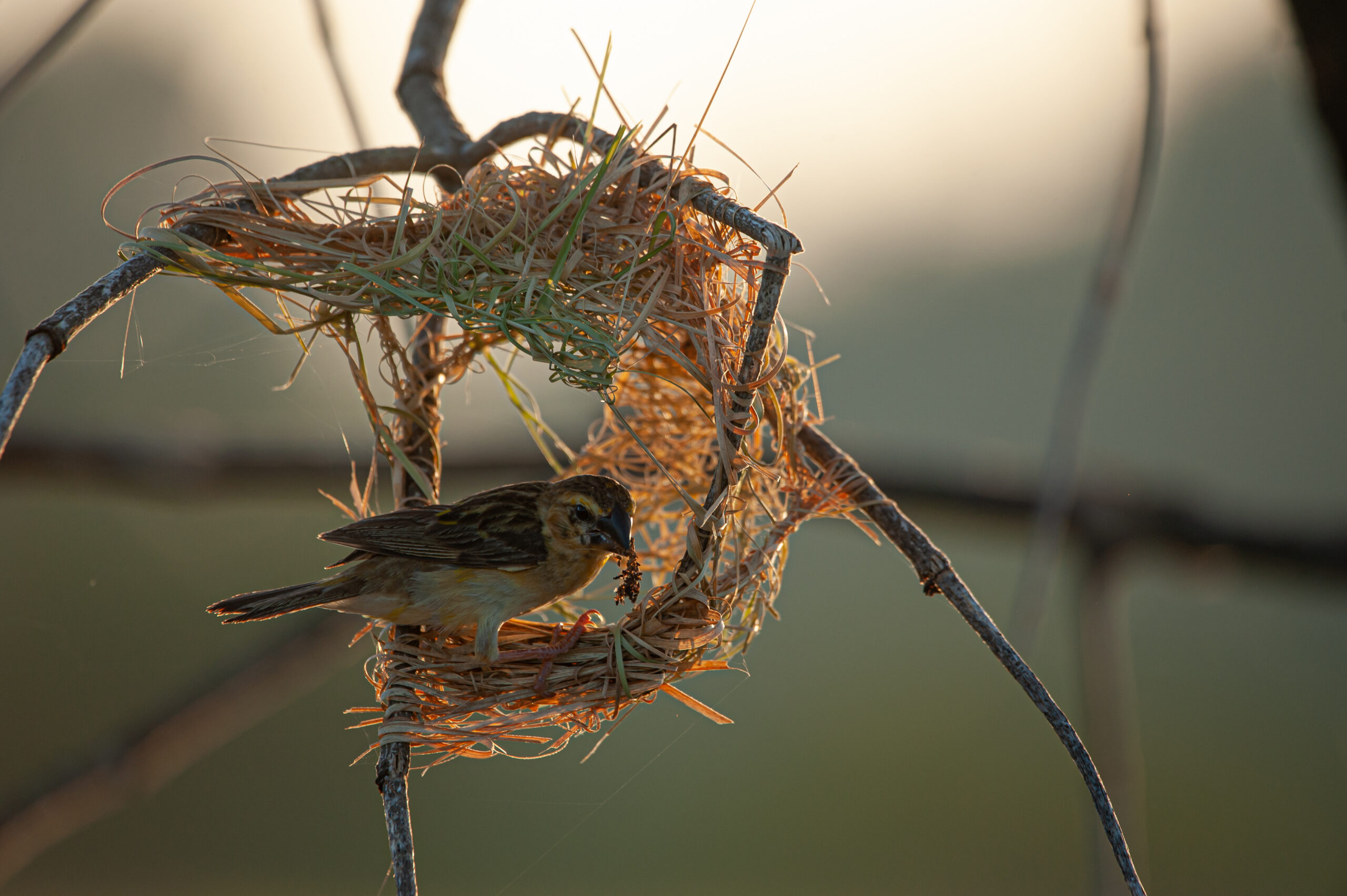
To encourage greater protection of Laos’ wild places, Toun advocates for expanded funding and institutional support for community-based conservation programs that provide livelihoods and careers in conservation, easier pathways for young Lao people from remote provinces to access training and certification in conservation media, and stronger legal protections for the protected areas, without which books such as his would never be published. At a time of rapid change, he hopes his work, and the footprint it leaves behind, will inspire others to protect what remains.
For purchases and other information, contact: souksamlan@lanjanholdings.com