


 ລາວ


Mandalao Elephant Conservation
Text by: Jason Rolan
Photos by: Mandalao Elephant Conservation
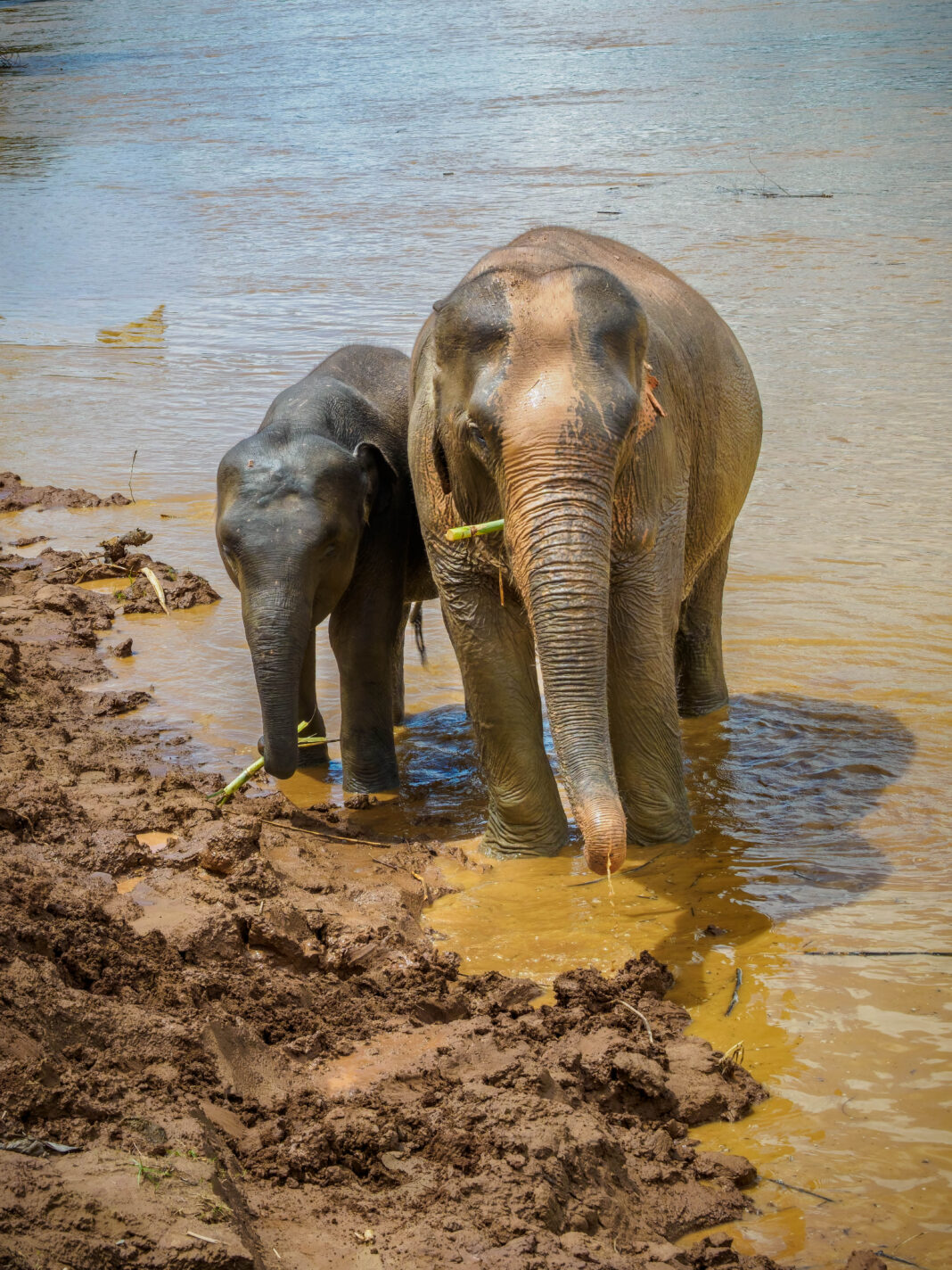
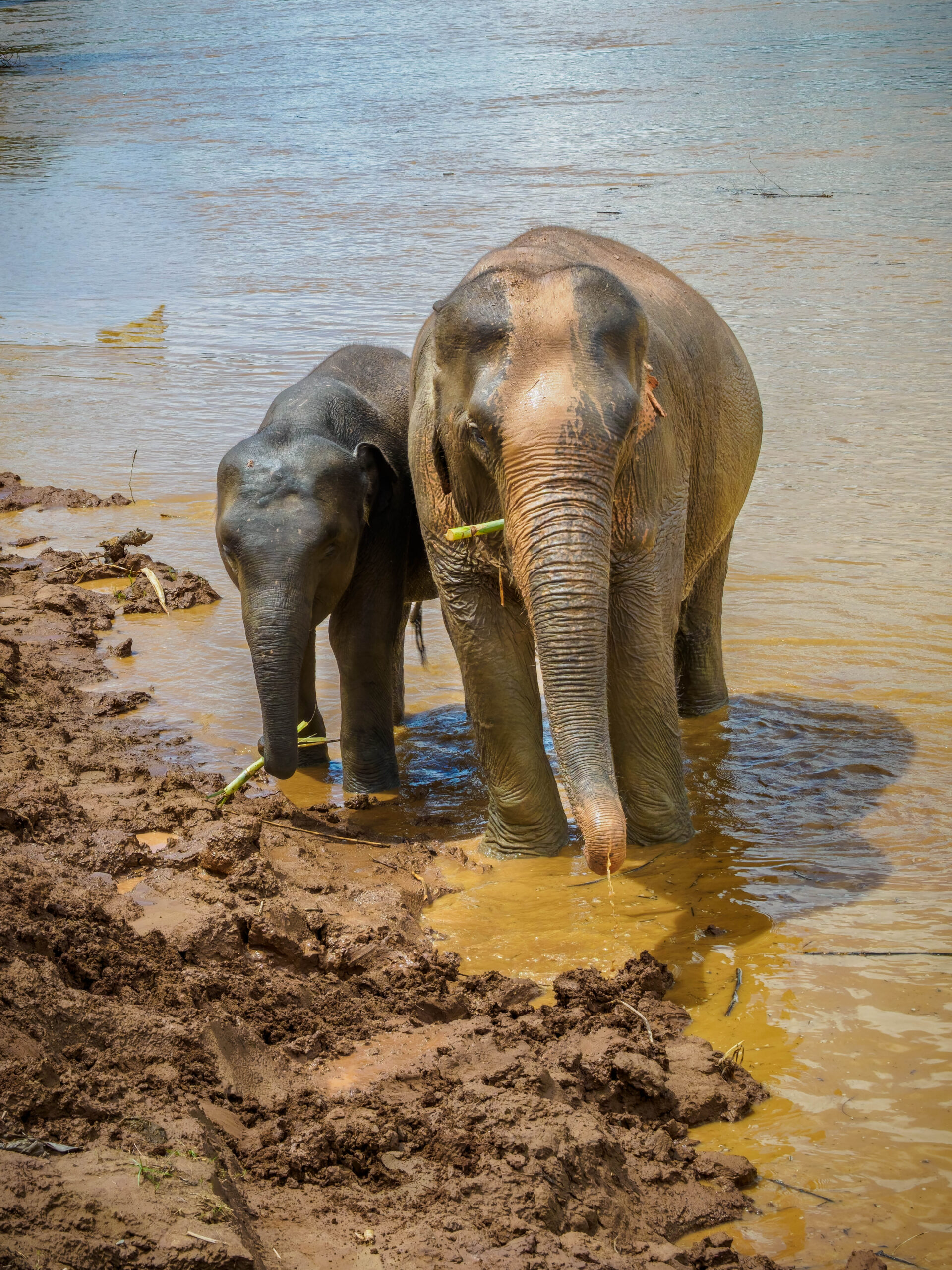 I heard her before I saw her. A rustling in the bushes and a soprano squeal announced that Bounsap, the playful 1000 kg 5-year-old elephant at Mandalao Elephant Conservation, was nearby. Another, deeper call resounded from higher on the slope. It was Mae Laemthong, Bounsap’s adoptive aunt and constant companion. Mae Laemthong slowly lumbered down the hill, the adroit tip of her trunk grabbing leaves and brush and shoving them into her mouth.
Historically, domesticated Asian Elephants labored in the lumber industry, but with modern innovations in logging and the recognition of logging’s impacts on this noble species, efforts are underway to support and rehabilitate these creatures as they adjust to a life neither wild nor working.
Mandalao Elephant Conservation, on the outskirts of Luang Prabang, offers refuge to young and old elephants affected by logging and exploitative tourism. The center lets visitors see elephants through intimate, non-riding experiences. This includes guided forest walks that maintain a non-intrusive 6-meter distance, where visitors can watch elephants stop, forage, and even take mud baths.
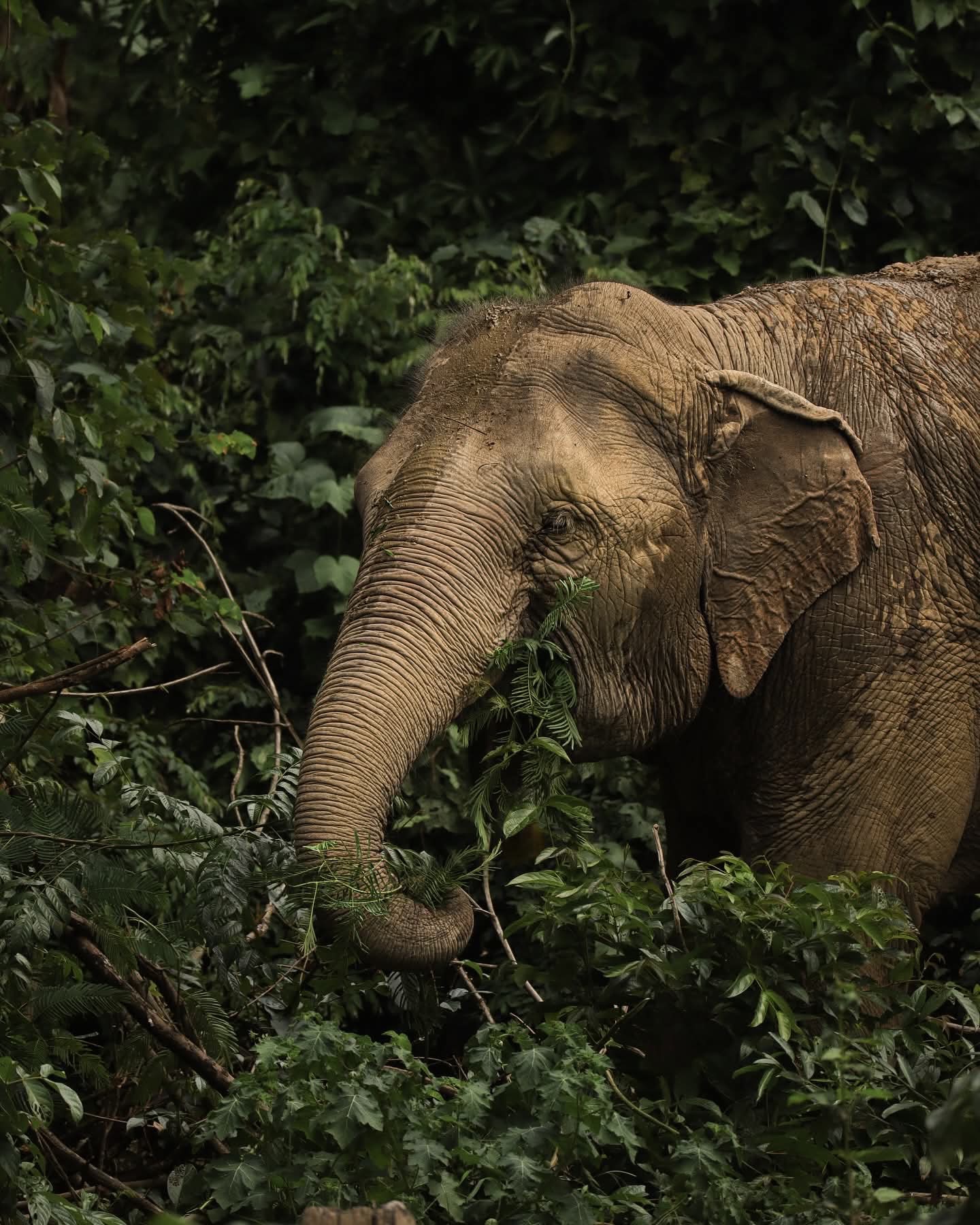
The mahout explained the sheer tonnage of food required to sustain each pachyderm (200kg per day!), and Mandalao has thirteen of these great creatures. The elephants are allowed to graze in the forest, but they still need many kilograms of corn stalks, banana trees, and other plant matter to round out their diet, which Mandalao sources from local farms.
Sin, Bounsap’s mahout, looks after her each day, and the two have bonded in a way that doesn’t require the cruelty found in mainstream elephant camps. “A few months ago, I noticed that Bounsap was not eating very much, so I alerted the medical team, who diagnosed a mild illness and treated it with medicine. Within a few days, she was back to her playful, hungry self,” Kham tells me.
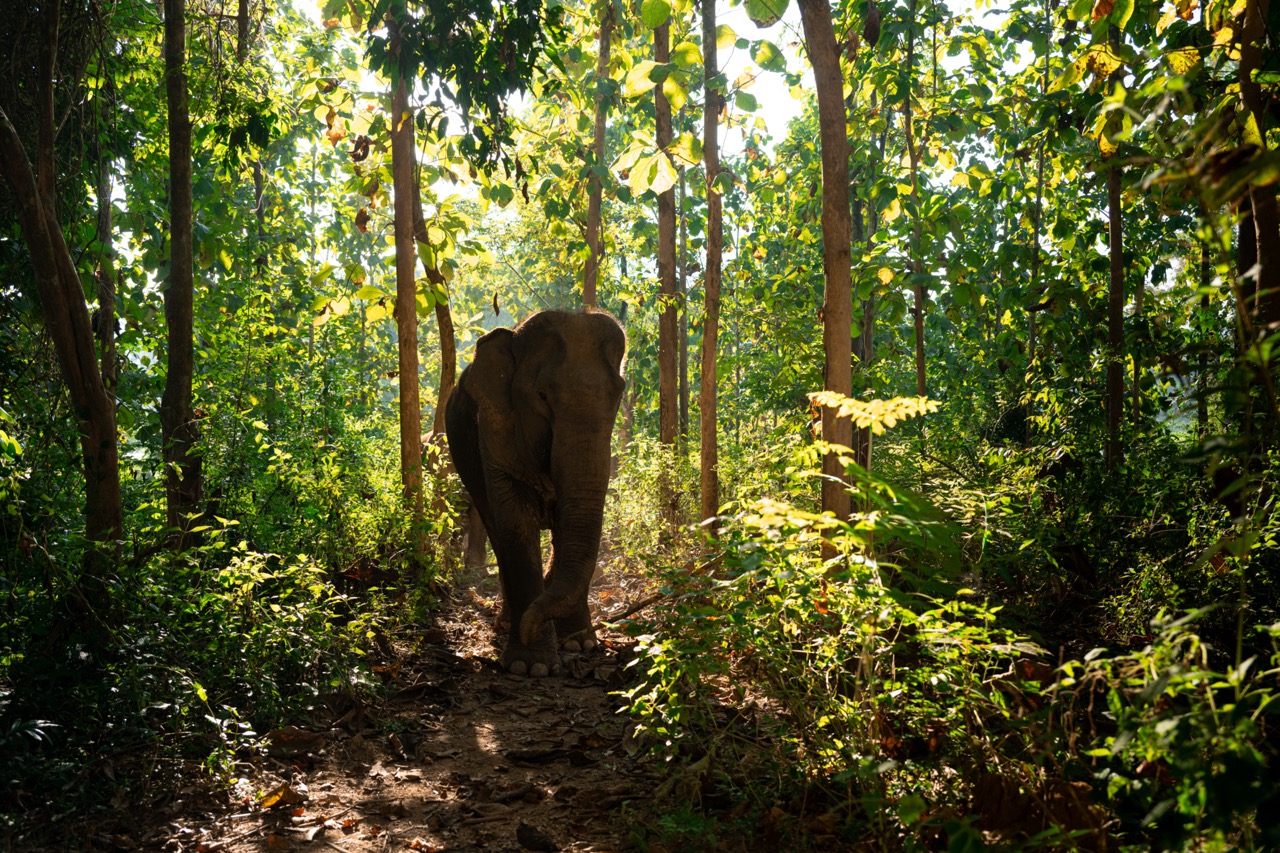
It is easy, watching Bounsap chase leaves like an oversized puppy, to forget the weight of what she represents. Elephants have never been ordinary animals in Laos. Woven into Buddhist cosmology and local folklore, they lent the country its old name: Lane Xang, the Land of a Million Elephants; from a time when a king’s power was measured by the number of elephants in his kingdom. For nearly two thousand years, elephants and humans labored side by side, most recently in logging camps that broke animals like Mae Laemthong into obedience long before conservation became a word anyone used. Today, fewer than 400 elephants remain in the Lao wild, and the ones who survive that history. Mandalao’s twelve residents range from four to over sixty years old and carry it forward in scars visible and otherwise.
What sets Mandalao apart is mostly a list of things it doesn’t do. No chains. No riding. No closer than six meters on the walks, a rule the guides enforce without much explanation needed, as the elephants keep the distance themselves, mostly. The forest land isn’t owned by Mandalao at all; it’s rented from the surrounding villages, an arrangement that ties the center’s future to the same communities that once depended on these elephants for logging work.
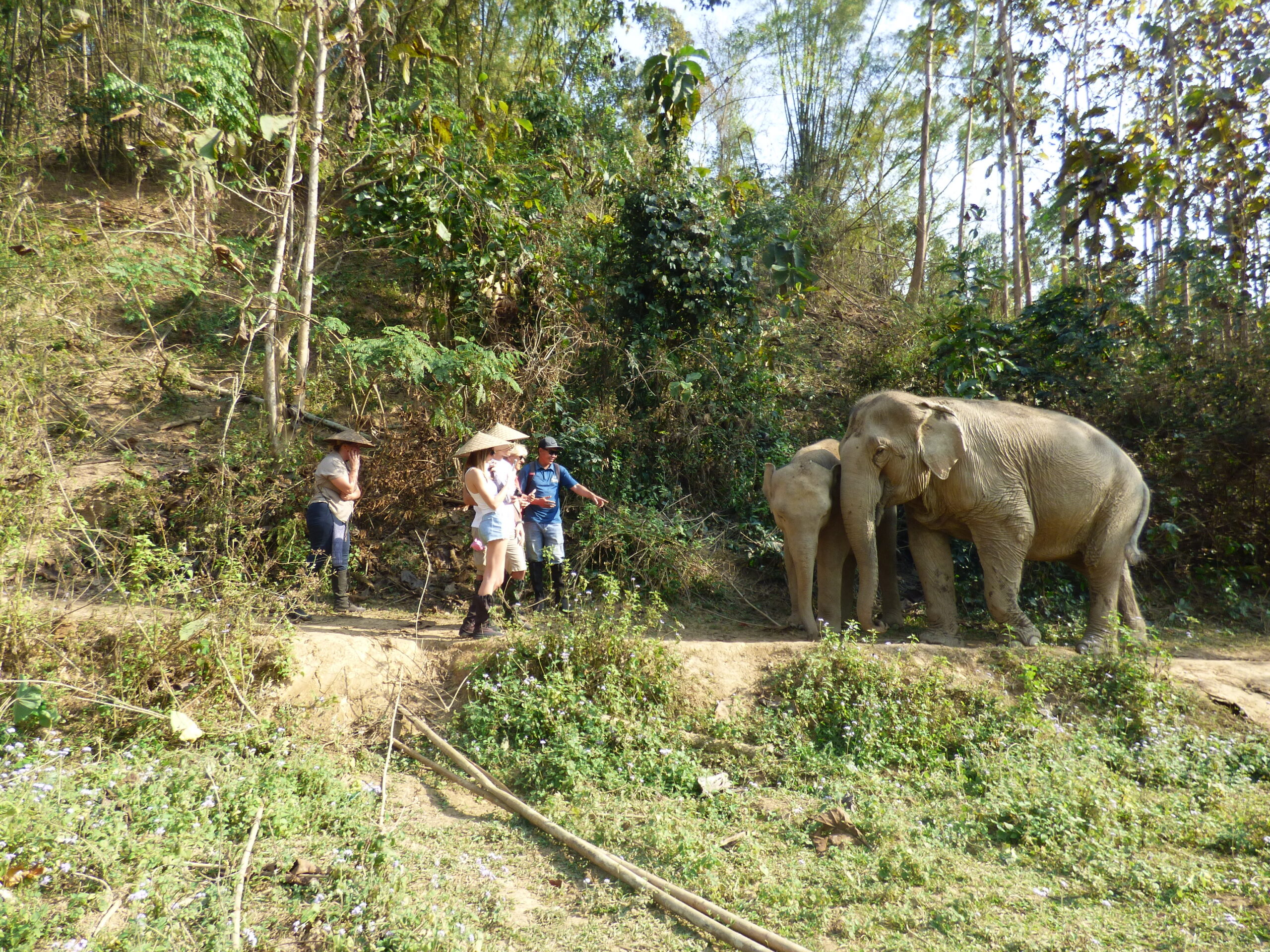
Mandalao’s attention isn’t limited to the twelve elephants on the property. It also runs patrols further north, in Oudomxay’s Nam Pak National Park, where staff track the country’s remaining wild herds and work with villages to keep elephants and people from interfering with each other. It’s slower, less photogenic work than a forest walk with Bounsap; mostly data collection, mostly waiting, but it’s aimed at the same problem: fewer than 400 elephants are left in the Lao wild, and someone has to be keeping track.
We turned back toward the river for lunch as Mae Laemthong called out again from higher up the slope, not a goodbye so much as a statement, for herself and the herd behind her, that they weren’t going anywhere.
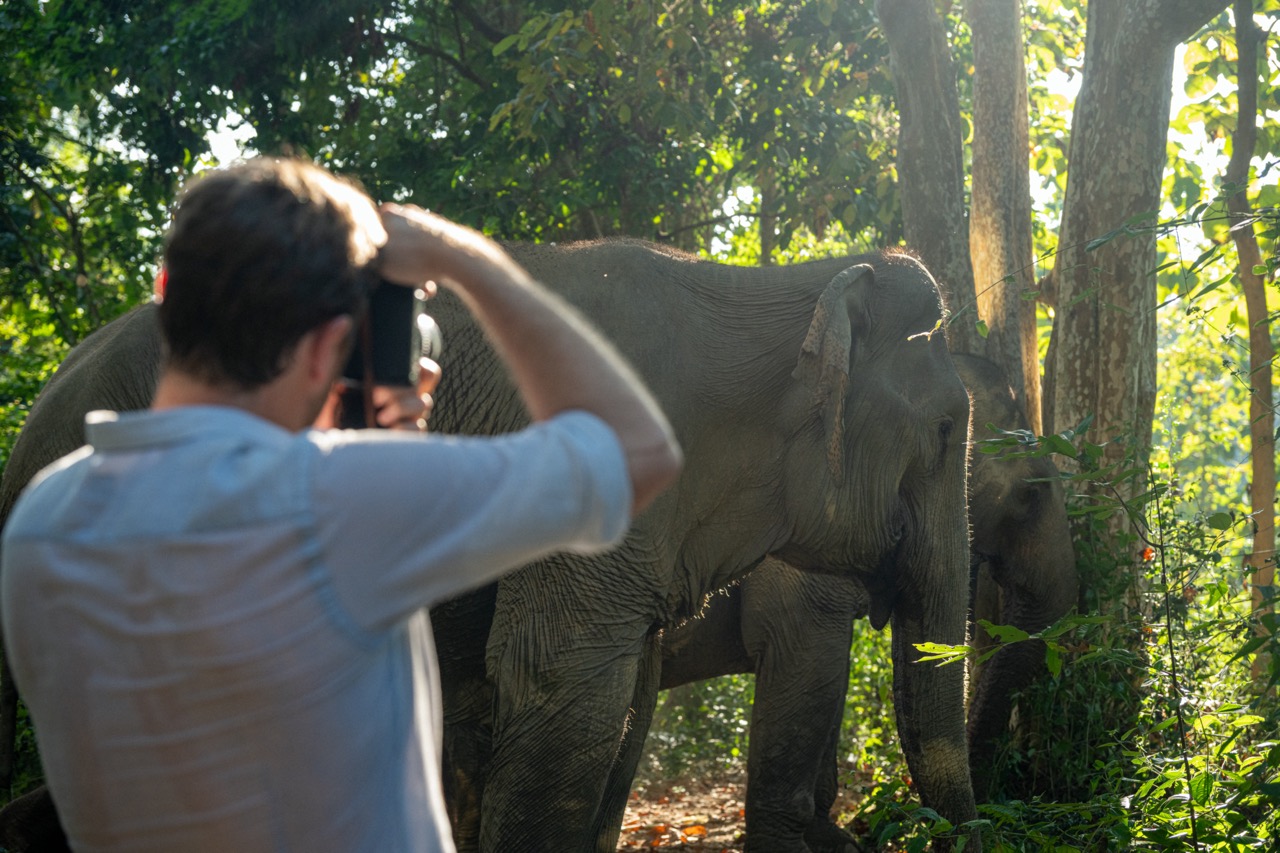
To experience a jungle walk with elephants or learn more, visit: mandalao.org.
Getting there:
Lao Airlines operates frequent flights to Luang Prabang from Vientiane, Bangkok, Chiang Mai, and Hanoi.