


 ລາວ
ລາວ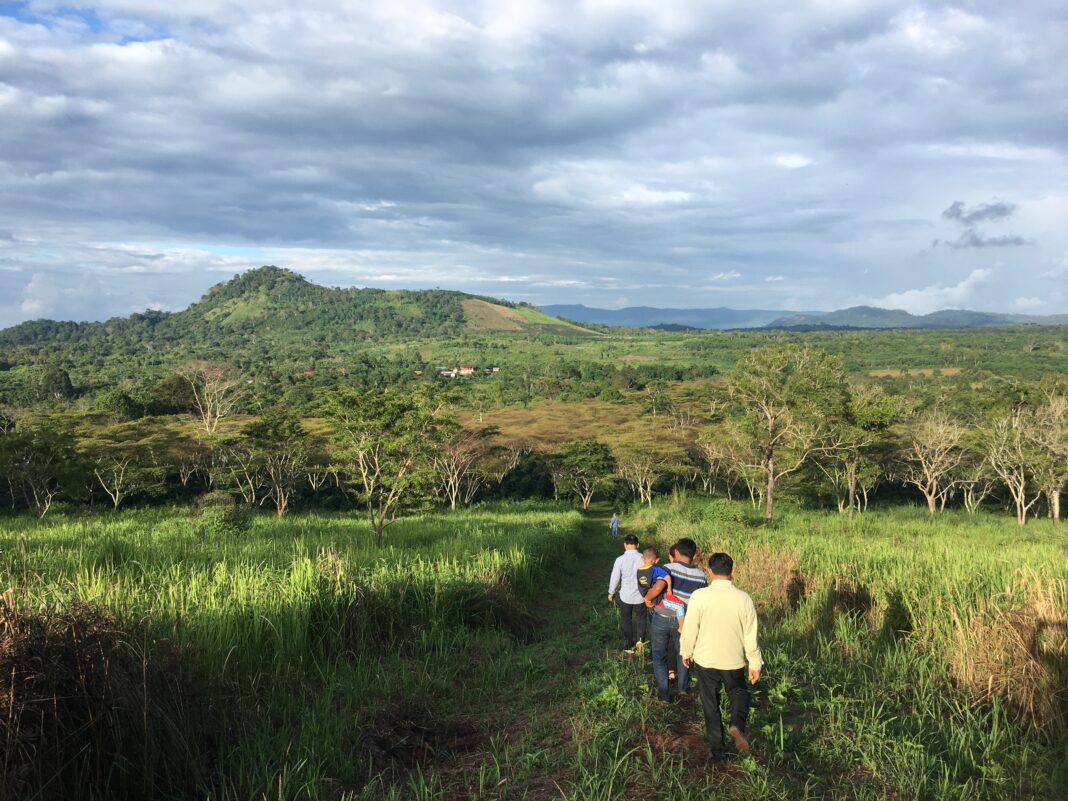


Southern Laos at Its Best
Text by: Jason Rolan
Photos by: Jason Rolan and Phoonsab Thevongsa
An hour or so east of Pakse, the road begins to climb, the air thins slightly, and the temperature drops in a way that feels almost engineered for relief. The Bolaven Plateau sits roughly 1,000 meters above sea level, and that modest elevation is enough to make it one of the coolest, most fertile corners of Southern Laos. French colonists recognized this a century ago and planted coffee; their arabica and robusta stock still forms the backbone of an industry that has made the plateau’s beans, along with its cardamom, tea, blueberries, durian, and rubber, some of the country’s most recognizable agricultural exports.
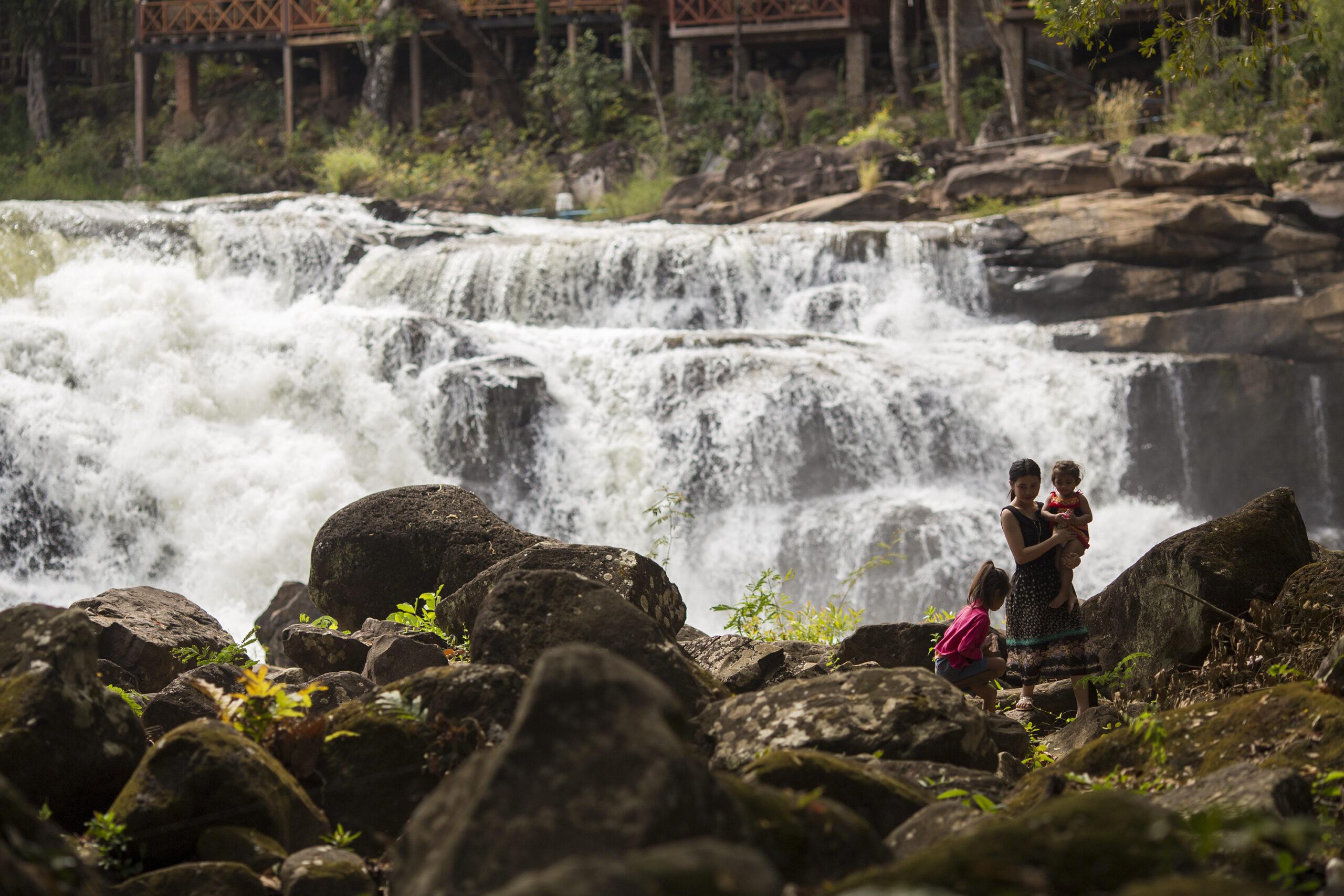
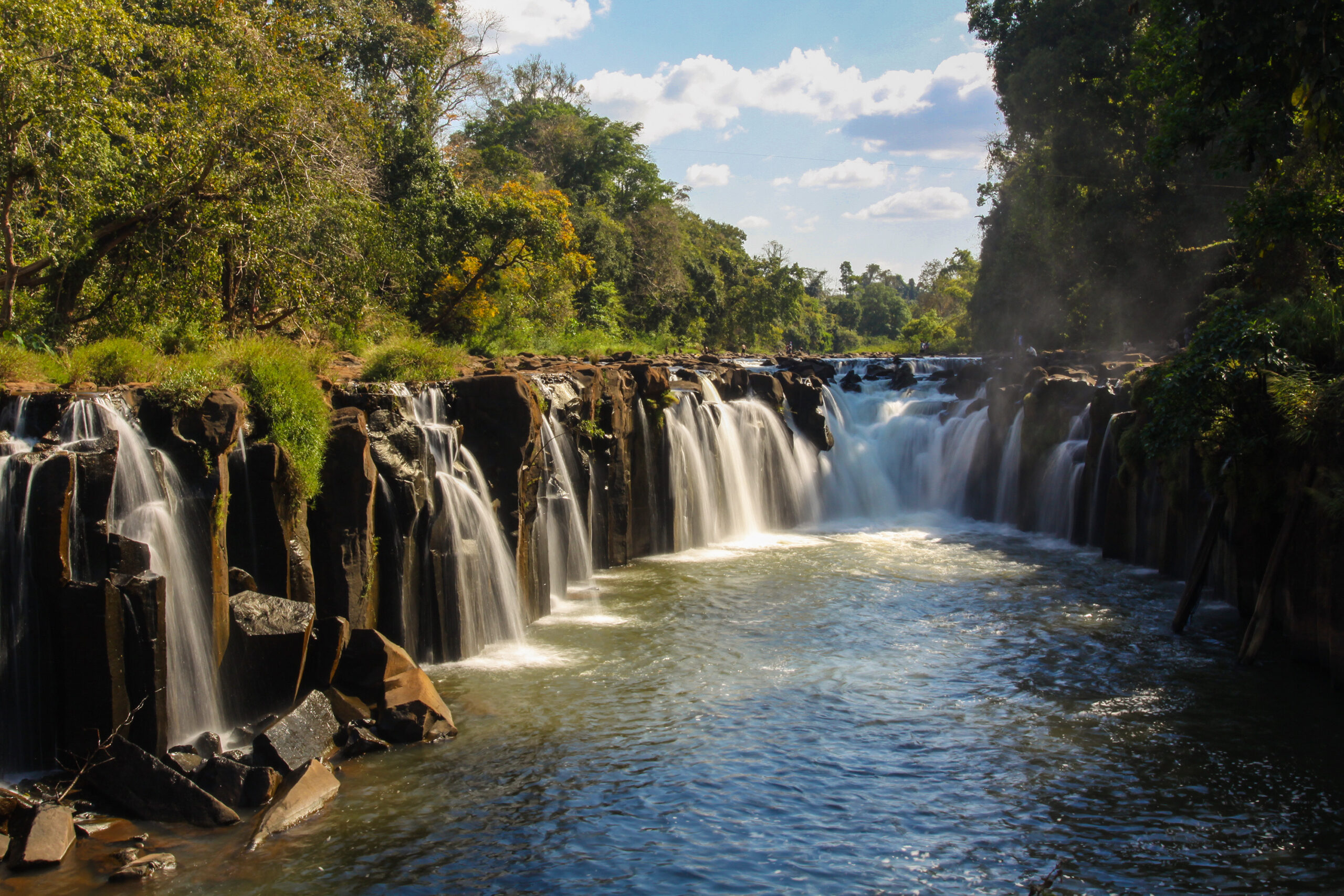
The volcanic soil that suits coffee so well also feeds an unusually dense cluster of waterfalls. Tad Fane, twin cascades dropping more than 100 meters over a cliff, is the plateau’s signature sight and now doubles as an adrenaline stop, with a zipline course strung across the gorge for those who’d rather see the falls at speed than in contemplation. Tad Yeuang and Tad Champee offer gentler, swimmable alternatives, and together the falls give the plateau a rhythm of short, satisfying day trips.
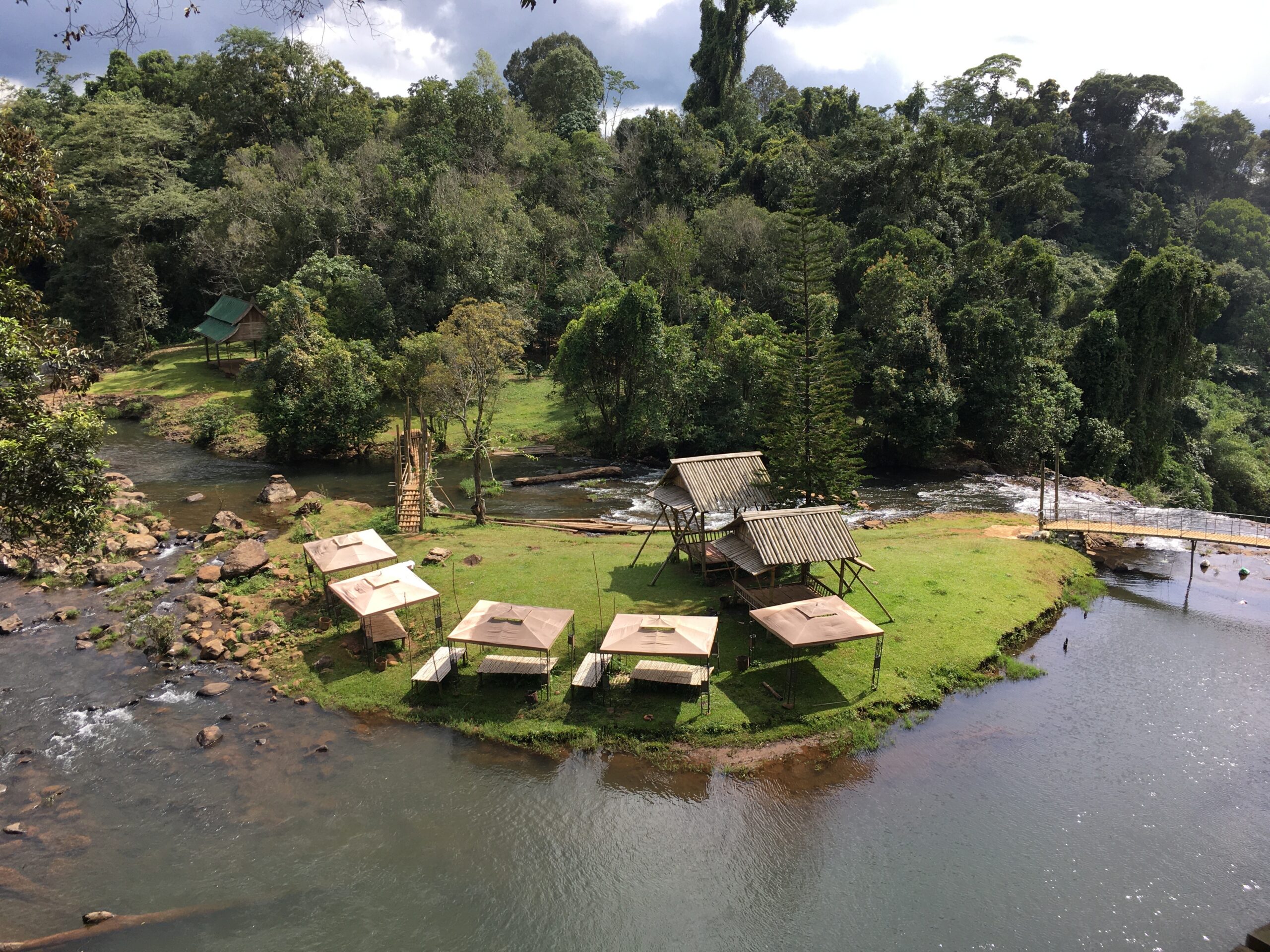
Beyond the coffee farms and viewpoints, the Bolaven is home to several ethnic minority groups, including the Katu, Alak, and Ta-Oy, whose villages are woven into the region’s identity as much as its crops. Homestays accompany trekking routes, often arranged through community-based tourism initiatives, and lead through their settlements and the surrounding forest, giving visitors a slower, more textured sense of the plateau than a waterfall-hopping day trip alone can offer.
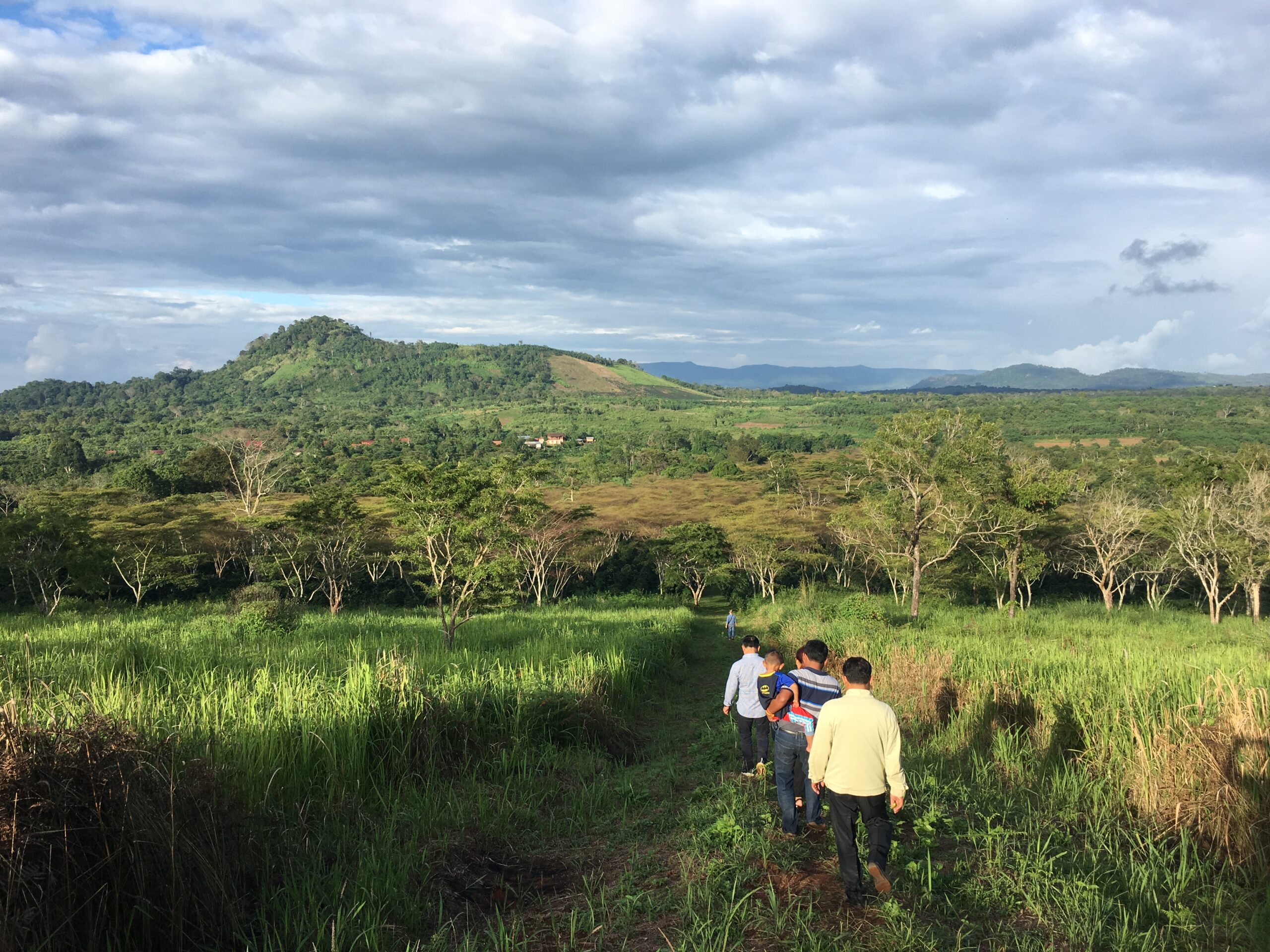
Taken together, the coffee, the falls, the cooler air, and the villages make the Bolaven an easy case for anyone tired of the Mekong lowland heat. Most visitors take it in via the loop circuit that winds through Paksong, Tad Lo, and the surrounding districts, a route that typically runs three to five days by motorbike or car and strings together the plantations, waterfalls, and minority villages in one continuous arc. It remains one of the few places in Laos where “highlands” isn’t just a scenic term but a genuinely different climate and way of life.
Getting there:
Lao Airlines flies to Pakse from Vientiane and Luang Prabang.